You can tell yourself you’re going to be very practical about baby chicks. Then the peeping starts and all that practicality goes right out the window.
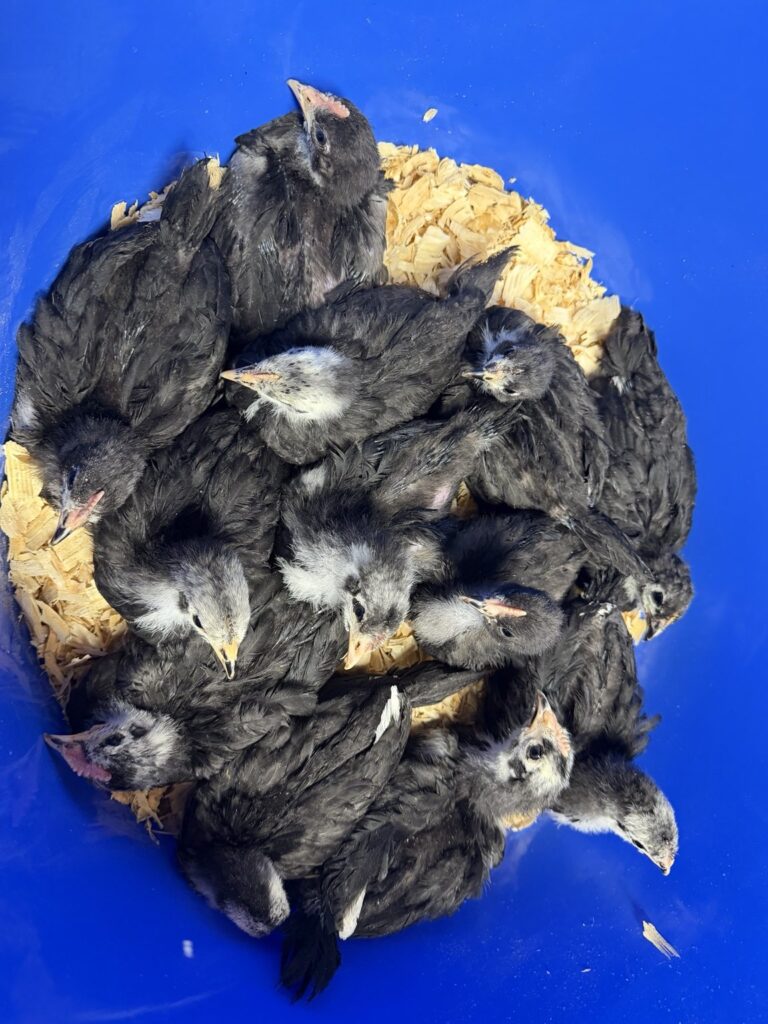
We had twenty chicks hatch on April 20, 2026. Twenty! For a small farm, that brings a lot of excitement, a lot of watching, and a lot of checking that everybody is warm, drinking, eating, and doing what baby chicks ought to do.
Small birds, big responsibilities
Chicks look wonderfully self-contained in photographs, but those first days involve careful management. They need the right brooder temperature, fresh water they can safely reach, appropriate starter feed, dry bedding, and protection from drafts and predators.
And then they grow. Fast. Suddenly the little fuzzy creatures you brought home—or watched hatch—are developing feathers and opinions.
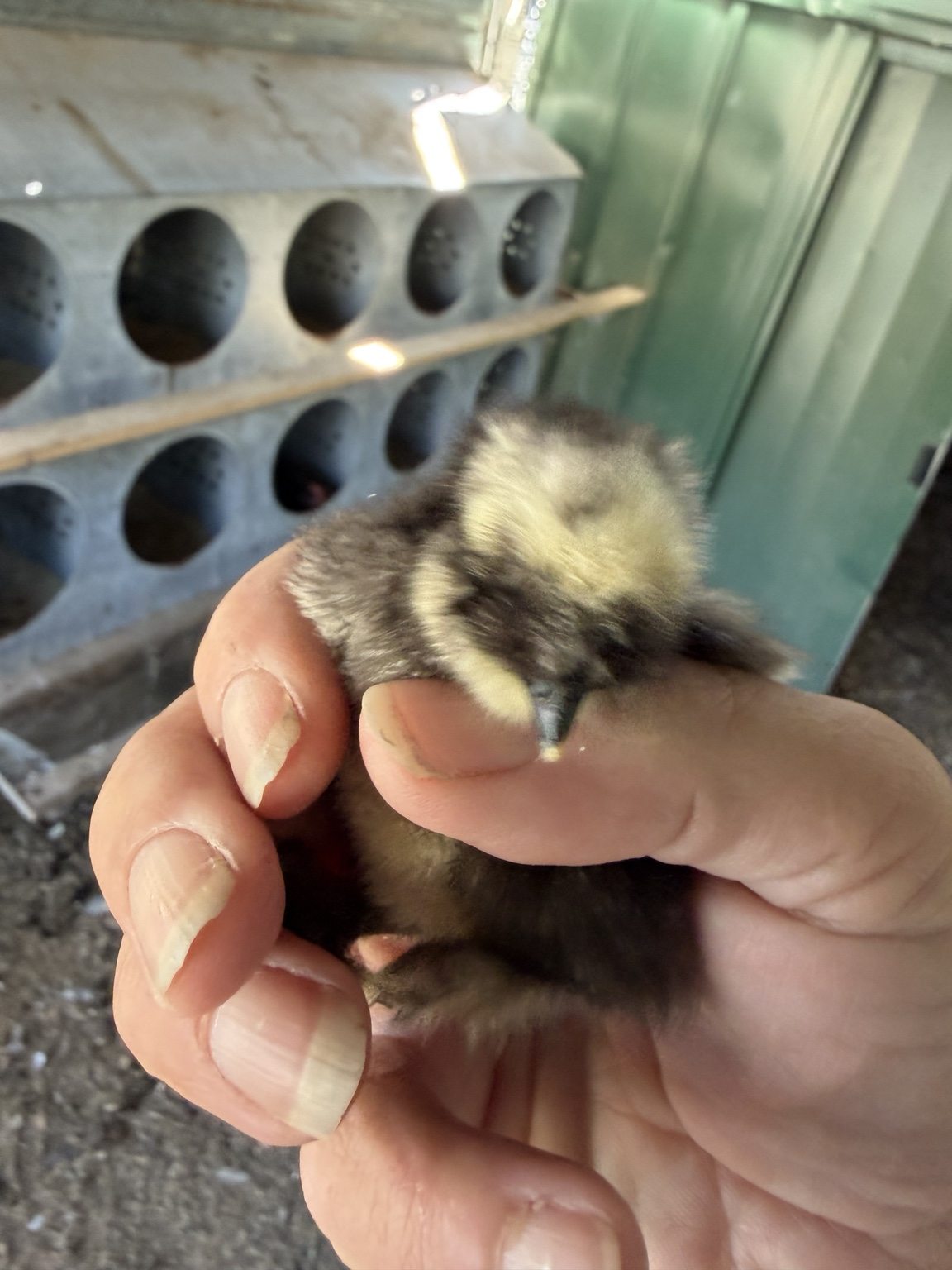
I love seeing the differences among them. You start to notice markings, personalities, and which little bird seems determined to be the first to investigate anything new.
Growing up with the flock
The grandchildren help with farm chores, and poultry gives them a very concrete lesson in caring for living things. Animals need attention every day, not only when it’s convenient. We also talk about gentle handling, handwashing, and letting the birds have the space they need.
Our family once raised dairy cattle and worked potatoes and timber on this land. Today’s flock looks a little different from the farm of earlier generations, but the basic lesson hasn’t changed: there’s work behind the food on the table.
I’m sure we’ll have a few surprises as these twenty grow. That’s usually how it goes.
For now, we’re enjoying the peeping, the tiny feet, and another new chapter in the life of Legacy Acres.
Photos from the farm