
By March I start looking at the calendar differently. There are still snowbanks to deal with, but the garden is already taking up space in my head.
Growing food in Milan, New Hampshire, is not quite the same as planting a garden somewhere with a long, forgiving season. Warm days can show up early, and cold nights can remind you that spring has not signed any agreement.
Start with the frost, not the wish list
A good seed packet is full of useful information: how long a plant takes to mature, whether to start it indoors, and what temperatures it needs. The University of New Hampshire Cooperative Extension recommends using your local last-frost date to count backward when starting seeds. Tomatoes, for example, are commonly started indoors about six to eight weeks before transplanting.
Because frost dates vary around the state—and from one Milan property to another—I don’t treat a single calendar date as a guarantee. I check the weather and the soil, too.
UNH Extension’s vegetable planting guide is one of the practical resources worth bookmarking.
The garden we want to grow
We work with vegetables, herbs and berries: tomatoes, summer squash, cucumbers, strawberries, blueberries, raspberries and blackberries among them. There are also the potatoes my dad grows, continuing a family tradition that goes back generations.
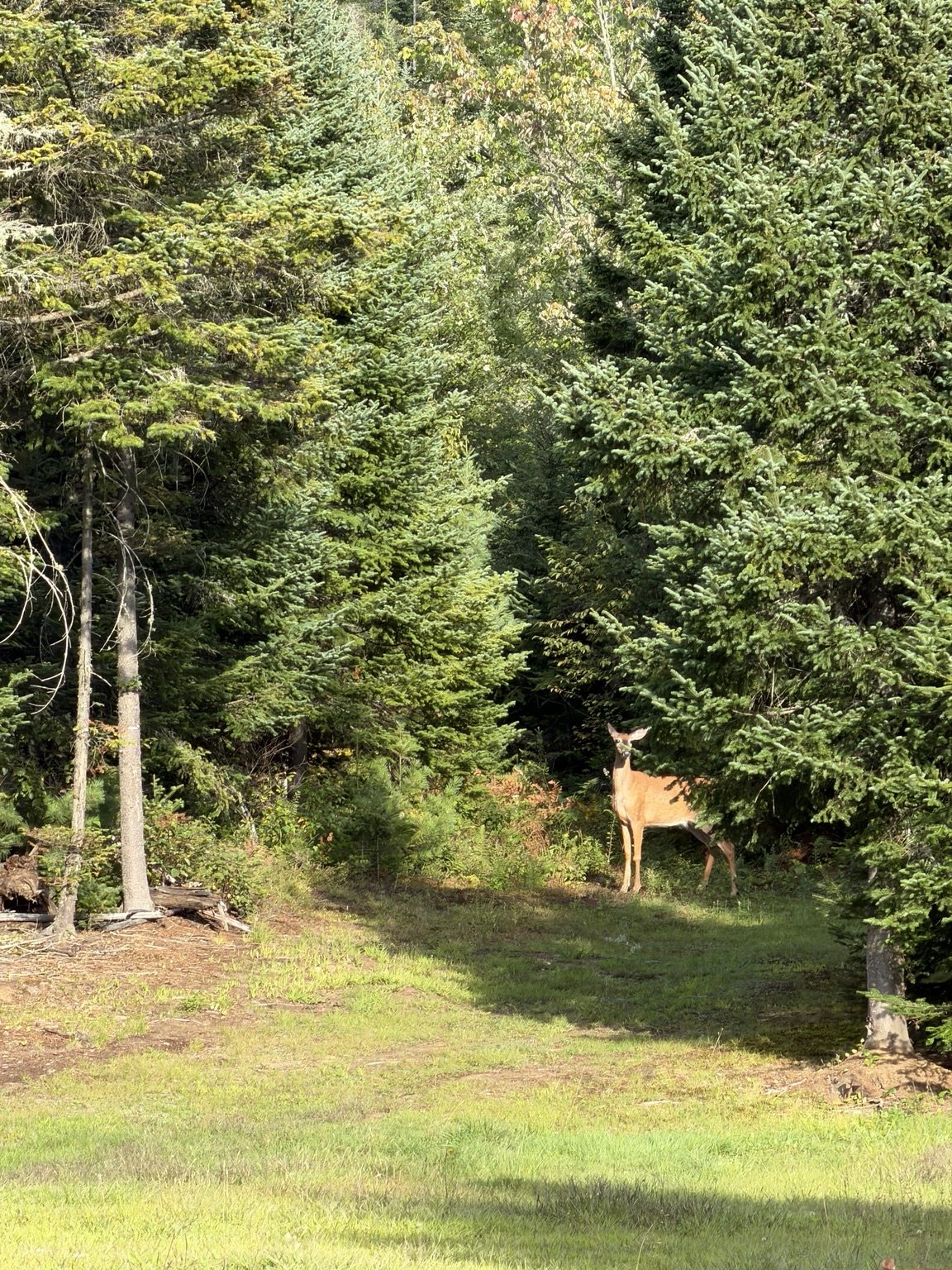
Every year is a bit of an experiment. You can do the same work and get a very different result depending on weather, soil moisture, insects, or the local wildlife’s opinion of the menu.
So I’m keeping the plan flexible. Leave room for a few extra starts. Know which crops need protection. Make notes about what works. And remember that growing food doesn’t have to look perfect to be worthwhile.
There’s plenty of work between now and harvest, but the planning is part of the fun.